
Lexington Storm Damage
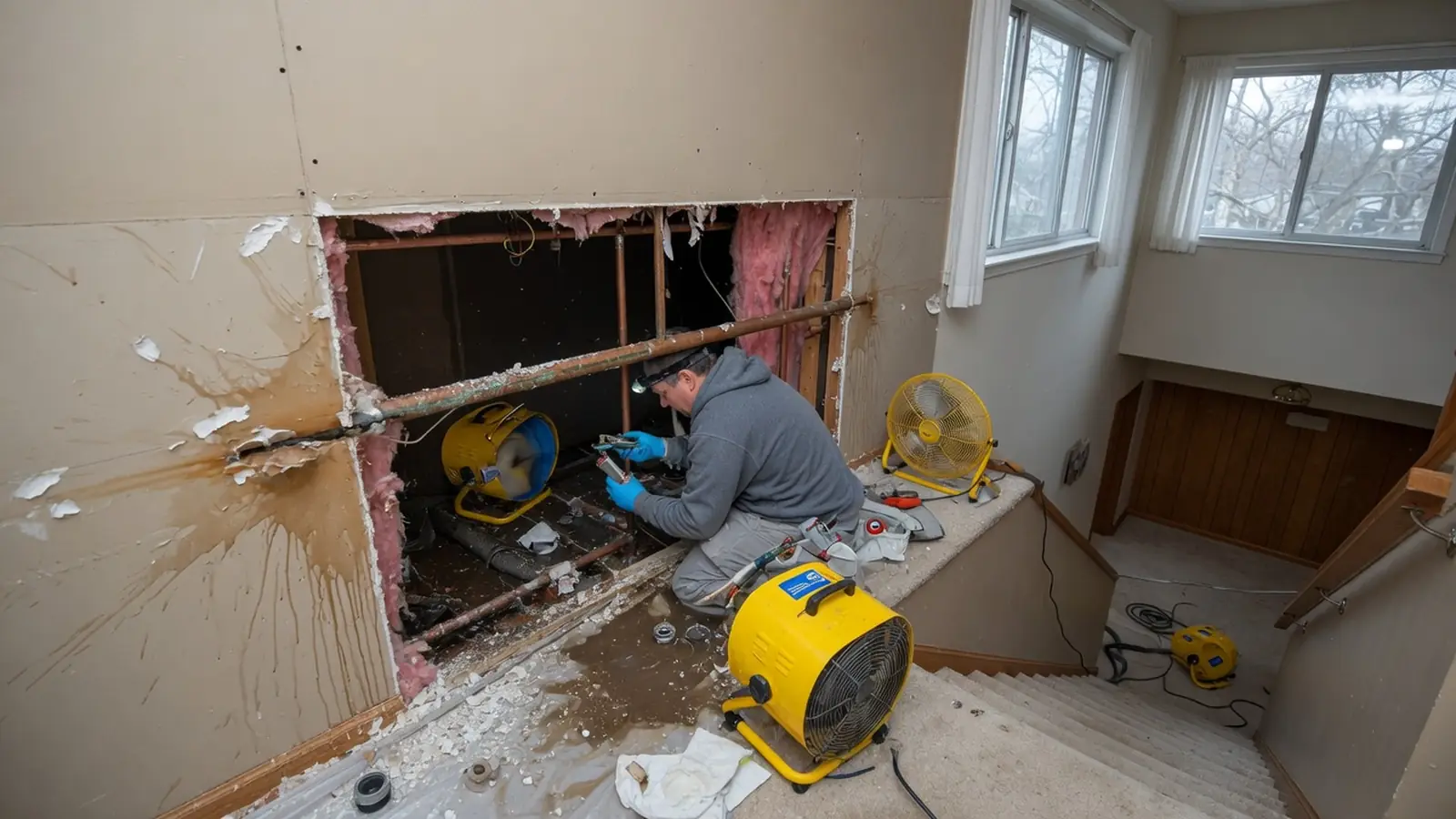
Sudden storm runoff floods lower levels of the home, creating an immediate need for emergency structural drying to stop rapid mold development. Our certified drying team deploys high-volume extraction units and industrial desiccant dehumidifiers to stabilize framing fast. We protect structural integrity and document every phase of the drying process for total peace of mind.
Questions first? (803) 555-0130.
Prefer to talk? (803) 555-0130
Dedicated Storm Restoration
Our experienced technicians have mitigated storm flooding across Midlands neighborhoods for years, handling sudden runoff and severe structural dampness.
Because the median owner-occupied home across this area was built in 2001 according to Census ACS 5-year data, aging roofs and foundation drainage systems frequently require prompt attention after heavy cloudbursts.
Our technicians provide comprehensive water damage restoration for flooded structures to return properties to safe, dry conditions.
On recent projects near Lake Murray, we deployed specialized cavity injection drying systems to extract moisture trapped behind kitchen cabinetry without tearing out custom millwork.
We clean every work area with botanical antimicrobial washes and verify structural dryness using calibrated thermo-hygrometers before packing up our equipment.
Our customer approach centers on transparent communication, providing clear moisture logs every morning so property owners know exactly how framing members are drying.
Our Storm Damage Drying Process
When severe storms pass, homeowners can learn how we handle crawl space water before moisture damages subfloors. We follow a systematic protocol to stabilize structural components and stop moisture progression.
- Immediate Site Assessment. Our technicians map hidden moisture pockets across walls and subflooring using non-invasive thermal imaging cameras and digital meters. We also inspect the foundation perimeter, noting how negative exterior grading and street runoff between neighboring properties funnel rainwater through foundation walls into crawl space corners.
- Contaminated Material Removal. Storm-driven floodwater and roof wash entering a structure are classified as contaminated water, meaning saturated drywall and carpet padding must be cut out and discarded rather than dried in place. Our crew executes clean flood cuts above the moisture line to prevent dangerous cross-contamination.
- High-Volume Water Extraction. Using heavy-duty submersible pumps and truck-mounted suction units, we rapidly pull standing rainwater from basements, crawlways, and finished rooms. Removing bulk liquid water quickly prevents prolonged contact from warping subflooring and degrading foundational masonry.
- Controlled Structural Dehumidification. We position commercial air movers alongside low-grain refrigerant dehumidifiers to evaporate moisture from deep within structural wall studs and floor joists. Daily psychrometric monitoring logs relative humidity and moisture content until dry standards are achieved.
Our Moisture Stabilization Standard
Hail activity around our county is uneven year to year: 2022 logged 213 radar signatures while 2023 logged only 54, a 3.9x spread. Comparing the two halves of 2021-2025 across our region, radar hail signatures went from 301 to 141, a fall of 53%. When unexpected roof punctures or wind damage cause leaks, homeowners dealing with persistent musty smells after moisture events look for independent mold testing to assess spore counts without high-pressure contractor sales tactics. We provide objective moisture logs and transparent readings, and you can find out more about how we isolate damp zones with negative pressure.
Crawl Space Water Extraction
Gaps around exterior crawl space access doors allow unconditioned humid air and wind-driven rainwater to bypass foundation encapsulation. Our crew pumps out standing pooling, dries wet ground soil, and reinforces vapor barriers to stop moisture from rising into main living areas.
Drainage And Runoff Mitigation
Perimeter trenches in dirt crawl spaces indicate historic or ongoing surface runoff routing, signaling persistent water intrusion during heavy storms. We assess sub-grade water movement, clear collection pathways, and install reliable sump basins to redirect storm flows away from your foundation.
Basement Water Intrusion Repair
Heavy seasonal downpours cause recurring basement water intrusion, leaving homeowners uncertain whether to regrade the exterior or install interior sub-slab drainage. We evaluate your foundation walls, eliminate hydrostatic pressure points, and implement targeted structural drying to keep concrete floors dry.
Our Commitment To Rapid Moisture Control
We approach every water intrusion event with dedicated extraction equipment, professional moisture metering, and thorough structural drying protocols designed to protect property framing.
- 14Zip Codes Served
- 6Service Areas
- 3Services Offered
Read genuine accounts from local property owners who experienced our prompt response and professional drying standards after heavy rain events.
“The straightness of the flood cuts along our hallway drywall was remarkably neat and clean. The crew kept every edge perfectly level and bagged all wet insulation immediately so zero debris spread into our living room. It made rebuilding the wall surfaces afterward so much easier.”
Marcus T.
“After seeing how thoroughly they dried our soaked hardwood floors, I passed their contact info straight to my brother across town. The team saved our subflooring from buckling and gave us honest moisture meter readouts every single morning. He called them immediately when his utility room took on runoff.”
Darlene K.
“Pulling back the waterlogged baseboards revealed hidden wall cavity dampness that had traveled behind our laundry room cabinets. Instead of panicking or hiking prices, the crew simply repositioned their drying mats and explained the containment plan step by step. They resolved the extra moisture without any fuss or delays.”
Julian R.
“Our structural engineering closing inspection was scheduled for Friday morning, leaving barely three days to dry out our flooded back den. The crew ran desiccant units around the clock and verified dry standards just hours before the home buyer walked through. We passed the inspection with flying colors thanks to their speed.”
Elena V.
Frequently Asked Questions
Can indoor structural drying begin while the roof is still leaking, or does emergency tarping have to happen first?
Emergency tarping must happen before indoor structural drying can begin effectively, as ongoing water intrusion compromises active drying equipment. Technicians stabilize the building envelope with heavy-duty tarps to prevent ongoing rainwater penetration before deploying dehumidifiers.
How long does structural drying take after storm runoff enters a home?
Complete structural drying typically requires three to five days of continuous commercial dehumidification and high-velocity air movement. Dense framing lumber and subflooring retain moisture longer than surface materials, requiring daily psychrometric tracking until dry standards are verified.
What factors determine the overall cost of storm water mitigation?
Storm mitigation costs depend on water contamination category, total square footage flooded, and the volume of saturated drywall requiring removal. Standard insurance homeowner policies typically cover sudden storm intrusion, and technicians compile detailed digital logs directly for claim adjusters.
Are permits required for interior water damage tear-out after storms?
Emergency water removal and selective drywall tear-outs do not require municipal permits, but subsequent major structural repairs often do. Restoration teams stabilize and sanitize spaces immediately to stop degradation, while licensed contractors handle permitted rebuilding afterward.
Can storm runoff penetrating crawl space vents cause floor joist rot?
Wind-driven storm water entering foundation vents elevates subfloor moisture above twenty percent, which triggers rapid fungal growth and wood rot. Sump extraction combined with ground vapor barriers stops persistent dampness before it undermines structural floor framing.